Creating Neurodivergent Supportive Workplaces: Why Inclusive Work Environments Matter
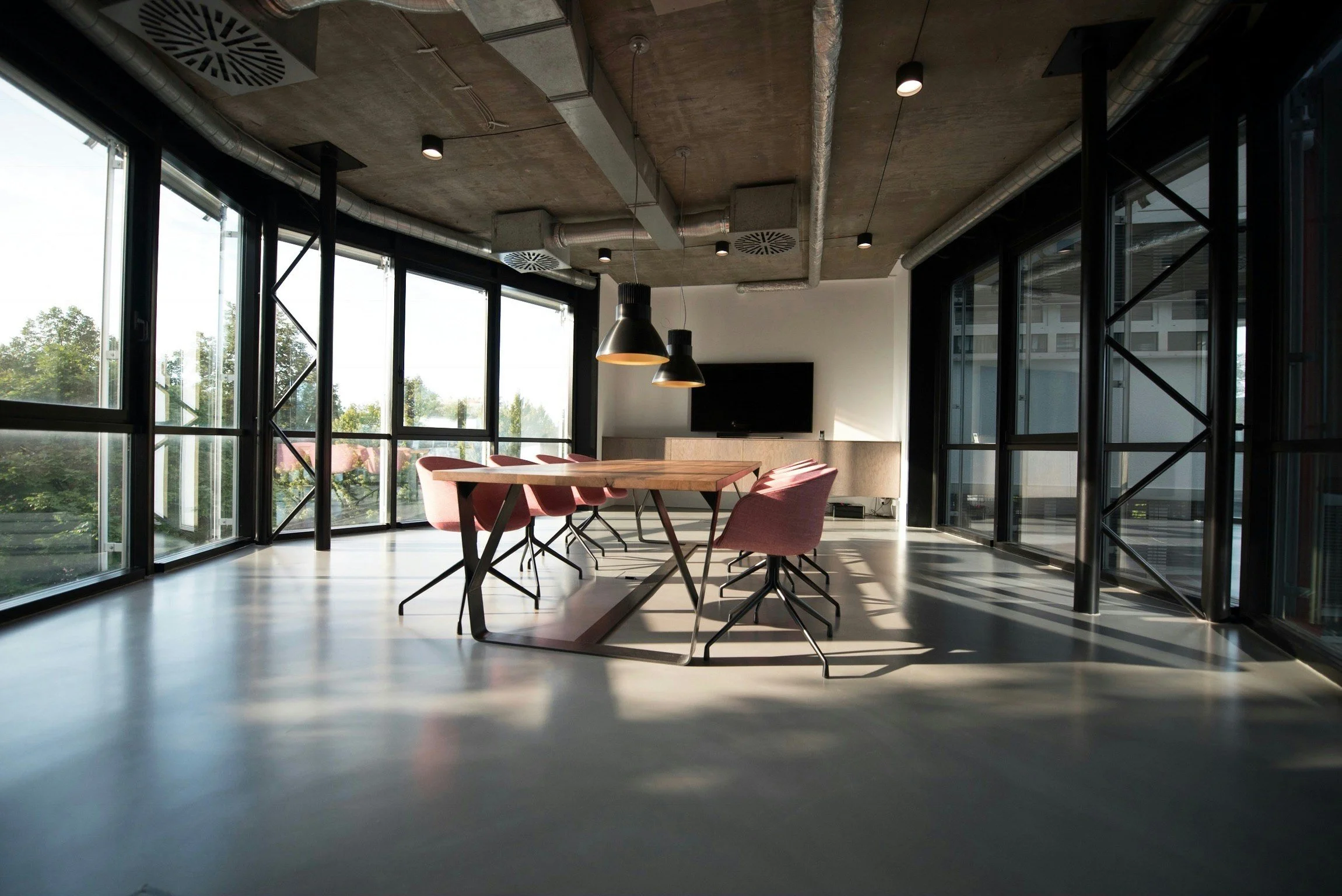
Workplaces are slowly beginning to recognize that diversity includes more than race, gender, and culture. Neurodiversity is also an essential part of workplace inclusion. Neurodivergent individuals, including people with ADHD, autism, dyslexia, sensory processing differences, and learning disabilities, bring valuable perspectives and strengths to organizations. However, many traditional work environments were not designed with neurodivergent employees in mind.
At Mountainside Wellness, we believe neurodiversity should be recognized as a strength rather than something employees must hide or overcome.
What Does Neurodiversity Mean in the Workplace?
Neurodiversity refers to natural differences in how people think, communicate, learn, process information, and regulate emotions. Neurodivergent employees may experience the workplace differently than neurotypical coworkers.
For example, some individuals may thrive with structure and written instructions, while others perform best with flexibility and reduced sensory stimulation. Some may communicate very directly, while others struggle with unclear social expectations or workplace politics.
Neurodivergence is not a lack of intelligence or capability. In many cases, neurodivergent individuals bring exceptional creativity, innovation, attention to detail, problem-solving abilities, and unique perspectives to organizations.
Unfortunately, many workplaces continue to prioritize conformity over accessibility.
The Hidden Cost of Masking at Work
Many neurodivergent employees spend enormous amounts of energy masking their differences in order to fit workplace expectations. Masking may involve forcing eye contact, suppressing stimming behaviours, over-monitoring communication, hiding sensory distress, or pretending to understand unclear instructions.
While masking may help individuals avoid stigma in the short term, it often comes at a significant mental health cost. Chronic masking has been linked to burnout, anxiety, emotional exhaustion, depression, reduced productivity, and increased absenteeism.
Many neurodivergent employees are not struggling because they are incapable. They are struggling because workplaces were not designed to support different ways of functioning.
Common Workplace Barriers for Neurodivergent Employees
Traditional workplaces can create numerous challenges for neurodivergent individuals. Open-concept offices may create sensory overload through noise, lighting, interruptions, and constant stimulation. Vague communication and unclear expectations may increase anxiety and confusion.
Rigid scheduling, unnecessary meetings, and socially demanding workplace cultures can also become overwhelming, especially for employees who already spend significant energy regulating sensory input and emotional stress.
Without proper support, many neurodivergent employees experience chronic stress, burnout, or feelings of failure despite being highly capable workers.
How Employers Can Create Neurodivergent-Supportive Workplaces
Creating inclusive workplaces does not always require major organizational overhauls. In many cases, small practical changes can dramatically improve accessibility and employee wellbeing.
Supportive workplaces often focus on clear communication, written expectations, flexible scheduling, quiet workspaces, reduced sensory overload, inclusive leadership training, psychological safety, and accommodations without stigma.
Leaders who normalize accommodations and encourage open communication create healthier work environments for everyone, not just neurodivergent staff.
Why Neurodiverse Teams Strengthen Organizations
Research increasingly shows that neurodiverse teams can improve creativity, innovation, collaboration, and problem-solving. Employees who think differently often identify solutions and perspectives others may overlook.
When workplaces stop forcing conformity and instead support accessibility and flexibility, organizations often benefit from improved morale, stronger retention, healthier workplace culture, and increased employee engagement.
Inclusion is not simply about fairness. It is also about building stronger, healthier, and more effective organizations.
Why This Conversation Matters
Neurodivergent employees should not have to sacrifice their mental health simply to survive workplace environments. Creating neurodivergent-supportive workplaces means recognizing that accessibility, flexibility, and inclusion benefit entire organizations.
At Mountainside Wellness Counselling & Mental Health Services, we provide neurodiversity-affirming counselling, education, and workplace consultation services that support healthier and more inclusive professional environments.